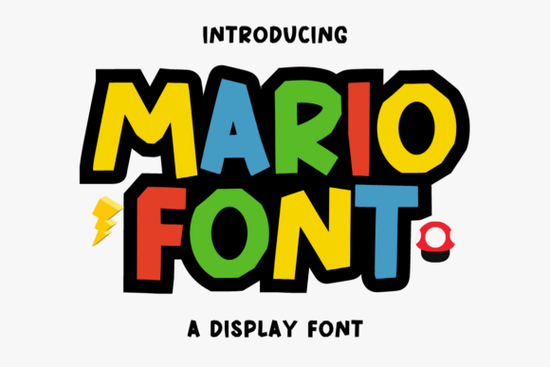
If you are looking for a playful, attention-grabbing typeface for your next project, the Mario Font is a fantastic choice. It brings a cool, bold, and fun vibe that instantly makes designs feel more approachable and energetic. Whether you are designing a birthday invitation, a quirky t-shirt, or a motivational quote for a nursery, this typeface gives you the confidence to create something truly memorable. Finding the right lettering can be tricky, but a strong display typeface does half the work for you by setting the mood immediately.
What makes this font stand out for kids' projects?
When designing for children, readability and personality are just as important as the message itself. This typeface leans heavily into a bold, rounded aesthetic that feels friendly and inviting. It works beautifully for classroom decor, children's book covers, and playful branding. Because it is a display font, it is best used for headlines, logos, or short phrases rather than long paragraphs of body text.
Parents and teachers love designs that feel warm and engaging. You can use this lettering to create custom alphabet posters, reward charts, or personalized name signs for bedroom doors. The thick, confident strokes ensure that the words are easy to read from a distance, which is perfect for educational materials or wall art.
How can I use it for print-on-demand and crafting?
For print-on-demand sellers and crafters, having a versatile display typeface is essential for standing out in a crowded market. You can use it to create catchy slogans on apparel, custom mugs, or tote bags. Its thick strokes hold up really well when printed on fabric using direct-to-garment methods or when applied via sublimation.
If you are making physical crafts with a cutting machine, this style is a great option. The bold lines ensure the design remains clear and sturdy when cut out of adhesive vinyl or heat transfer vinyl. It also makes weeding the excess material much easier since the letters are thick and well-defined. Small businesses selling kids' clothing, party supplies, or custom toys will find it especially useful for adding a whimsical, professional touch to their product labels, tags, and packaging.
What other display fonts pair well with it?
Sometimes you need to mix and match typefaces to create a cohesive design system or a more complex layout. If you want to contrast this playful style with something more structured, you might explore a heavy industrial display typeface for an edgier, more rugged look.
On the other hand, if you want to keep the soft and sweet vibe going, a fluffy, rounded alternative works perfectly for baby shower invitations or gentle nursery decor. For a retro twist on your kids' merchandise, pairing it with a classic retro display style can give your products a nostalgic, 70s-inspired feel. And if you are working on a project that needs a mix of script and bold text, a versatile duo font pack can give you the best of both worlds in a single download. You can also browse the full product details to see all the included glyphs, ligatures, and stylistic alternates.
What are the best practices for designing with bold display typefaces?
Working with thick, expressive letters requires a bit of care to ensure your final design looks professional and polished. Here are a few things to keep in mind when setting your text:
- Watch your tracking: Bold letters need a little extra breathing room. Increase the character spacing slightly so the design doesn't look cramped or muddy.
- Keep the background simple: Because the letters are so thick and detailed, use clean, solid background colors or very subtle textures so the text remains the main focal point.
- Limit your color palette: Stick to two or three colors max. High contrast between the text and the background will make the words pop and remain legible.
- Mind your kerning: Check the space between individual letter pairs, especially around capital letters, to ensure an even visual flow.
How do I prepare the file for commercial use?
If you are selling the end products you create, always check the licensing terms included with your download. Most commercial licenses allow you to sell physical items like t-shirts, mugs, and prints in unlimited quantities. However, if you plan to sell digital end products, like printable wall art or digital invitations, you will need to ensure your license covers digital distribution. Always keep a copy of your license receipt handy in your business records just in case you ever need to verify your rights.
Before you finalize your next design and send it to the printer or upload it to your shop, run through this quick checklist:
- Keep it short: Is the text punchy and brief? Display fonts are meant for headlines, not long paragraphs.
- Check the spacing: Did you adjust the letter spacing for better readability and visual balance?
- Verify contrast: Is there enough color contrast between the text and the background for easy reading?
- Confirm the license: Does your current license cover the specific way you plan to sell or distribute the final design?
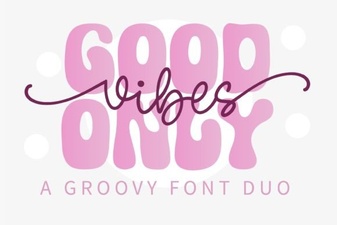 Good Vibes Only Font Duo for Creative Projects
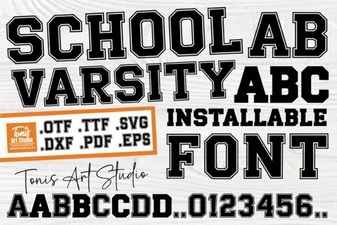 Design Your Team Spirit with a Varsity Font
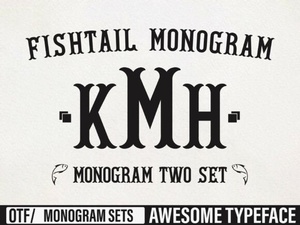 Fishtail Monogram Fonts for Creative Projects
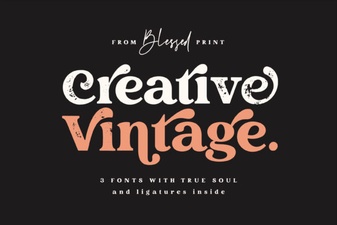 Selecting a Creative Vintage Font for Your Design Projects
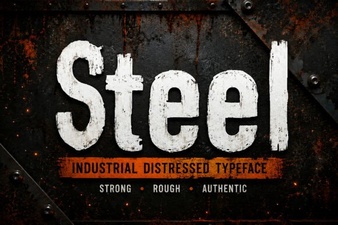 Designing with Modern Steel Fonts for Impact
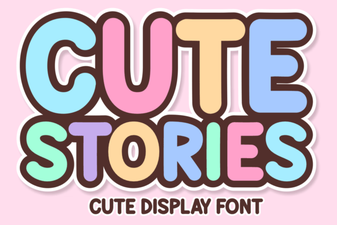 Adopt Cute Stories Fonts for Your Creative Projects