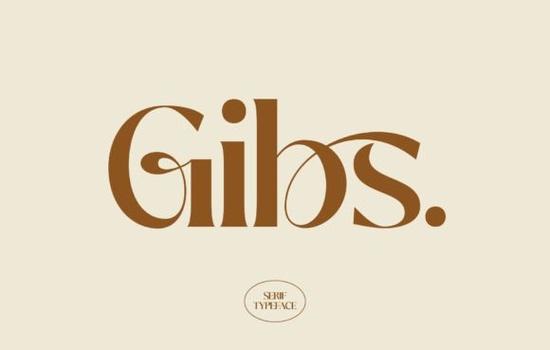
When you need a typeface that feels both historic and fresh for a high-end project, finding the right balance is key. The Gibs Font offers exactly that mix of classic elegance and modern sophistication. Whether you are designing a luxury brand identity or laying out a magazine spread, this serif typeface brings well-proportioned letterforms that make your work look polished and professional. It is a versatile choice for small business owners and crafters who want their projects to stand out with a touch of timeless grace.
What makes this serif typeface stand out for branding?
Building a strong visual identity requires typography that communicates trust and quality. The refined serifs and balanced spacing in this collection give your logos and business cards a premium feel. When customers see these well-proportioned letterforms, they immediately associate your brand with high standards. If you want to see how it looks in different mockups, checking the product details gives you a clear visual reference for how the characters interact on the page.
For small businesses, using a high-quality typeface means you do not have to spend a fortune on custom lettering to get a bespoke look. You can apply it to your packaging, website headers, and social media graphics to maintain a cohesive and expensive aesthetic across all your marketing materials. This consistency helps build brand recognition over time.
How can print-on-demand sellers use it on merchandise?
Print-on-demand creators often struggle to find typography that looks good on physical products without overwhelming the design. Because of its clean structure, this typeface works beautifully on minimalist apparel, tote bags, and ceramic mugs. It pairs exceptionally well with simple line art or subtle botanical illustrations, keeping the overall design looking modern and intentional.
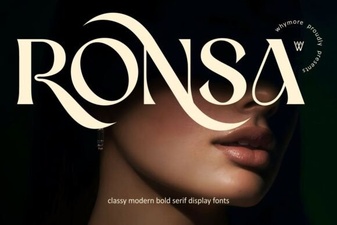
If you are creating a product line that needs a bit of variety, you might also look at the Ronsa option for a nice contrast on your apparel graphics. Mixing a highly elegant serif with a slightly different stylistic approach allows you to build a diverse catalog while keeping everything looking professionally curated. Just remember to keep your text short and impactful on physical items so the design remains readable from a distance.
Is it easy to read for editorial and long-form text?
Editorial design demands typography that guides the reader smoothly through the content. The generous x-height and distinct character shapes in this family ensure that body text remains comfortable to read, even in smaller sizes. This makes it an excellent choice for newsletters, recipe cards, and digital magazines where readability is the top priority.
While this typeface shines in headings and short paragraphs, pairing it with something more playful like the Sparky Dream design can add a nice touch to children's books or casual lifestyle blogs. The key to good editorial layout is creating a clear visual hierarchy. Use the heavier weights for your main titles and the lighter weights for your body copy to keep the reader engaged without causing eye strain.
What are the best practices for layout and spacing?
Getting the most out of your typography involves more than just picking a beautiful style. How you arrange the text on the page is just as important as the letters themselves. Here are a few practical tips to keep in mind when setting up your documents:
- Increase line height: Give your text room to breathe by setting your leading to at least 1.4 times the font size for body copy.
- Watch your tracking: Slightly increasing the letter spacing in all-caps headings can make the text look more luxurious and easier to scan.
- Limit your weights: Stick to two or three weights from the same family to maintain a clean, organized look across your project.
- Mind the margins: Ensure there is enough white space around your text blocks so the design feels open and uncluttered.
How do you prepare files for commercial printing?
When sending your designs to a professional printer, file preparation is crucial. Always convert your text to outlines or embed the files properly to prevent any unexpected font substitutions. Check your contrast ratios to ensure the dark serifs pop clearly against your background color, especially if you are printing on textured paper or dark garments.
Quick pre-flight checklist for your next project:
- Verify that your text is legible at the final printed size.
- Check for any orphaned words or awkward line breaks in your paragraphs.
- Ensure all color profiles are set to CMYK for physical prints.
- Export your final files as high-resolution PDFs with bleed marks if required by your printer.
 Sparky Dream Font: Crafting Playful Digital Art
 Ronsa Font for Modern Branding & Design Projects
 Good Vibes Only Font Duo for Creative Projects
 Find the Perfect Font for Your Lucky Project
 Design Your Team Spirit with a Varsity Font
 Fishtail Monogram Fonts for Creative Projects