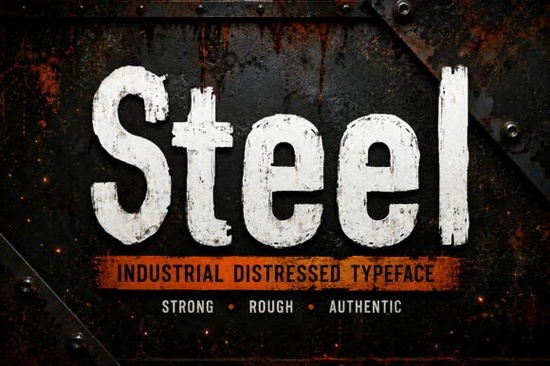
If you are looking for a typeface that brings a raw, rugged feel to your projects, the Steel Font is a strong choice. This industrial distressed typeface mimics the look of worn factory signage and heavy-duty metal surfaces. It gives your text a weathered texture that works perfectly for bold branding and vintage aesthetics. Instead of looking artificially generated, the chipped edges and rough surfaces feel authentic and grounded.
What makes this typeface stand out for industrial projects?
The main appeal of this design is its high-quality distressed texture. It captures the essence of heavy-duty craftsmanship without losing readability. You get a complete character set, including uppercase and lowercase letters, numbers, and punctuation. It also supports multiple languages, which is helpful if you are working with international clients.
When you are building a brand identity, you rarely use just one style. If you need a secondary text element that feels more urban and hand-drawn to balance the heavy metal look, you might explore a street writing display font for your subheadings or background details.
Where should I use a grunge metal typeface?
This specific style is built for projects that need a strong visual impact. It is highly effective for construction and manufacturing logos where you want to convey durability and strength. It also works beautifully on workwear apparel designs, like t-shirts and hoodies, giving them a worn-in, authentic feel right off the press.
For print materials, think about vintage posters, product labels, and outdoor advertising. The rough edges catch the eye and stand out against clean backgrounds. If you are designing a retro poster and need a softer, more decorative contrast for the secondary information, combining it with a creative vintage display font can make the overall layout much more dynamic.
How do I install and use the files for different mediums?
The download includes OTF, TTF, and WOFF formats. The OTF and TTF files are straightforward to install on your computer for use in software like Illustrator, Photoshop, or Canva. The WOFF format is specifically optimized for web use, ensuring the distressed texture renders correctly on your website without slowing down page load times.
Because it is designed for both print and digital projects, you can use it across your entire brand. For example, if you are creating merchandise for a rugged outdoor brand, you can use this heavy texture for the main logo and pair it with a legacy college display font to give the apparel a classic, established workwear aesthetic.
What other styles pair well with heavy distressed letters?
Pairing a highly textured font with other heavy styles can make a design look cluttered. The best approach is to contrast the grit with something cleaner or distinctly different in character.
If you are designing a logo for a craft brewery or a rustic brand that needs a touch of elegance alongside the industrial grit, adding a fishtail monogram display font for the initials or a secondary emblem can create a striking visual balance.
On the other hand, if you are working on a children's book cover or a playful merchandise line where the main character is a tough robot or a construction vehicle, you might want the surrounding text to feel approachable. Using a cute stories display font for the subtitle or author name adds a nice playful contrast to the heavy main title.
How can I get the best results when printing distressed textures?
When sending your designs to a printer, the fine details of a distressed typeface can sometimes get lost if the resolution is too low or the ink spreads. Here is a quick checklist to ensure your final product looks exactly like your screen design:
- Check your resolution: Always set your document to at least 300 DPI for print projects to keep the chipped edges sharp.
- Outline your text: Convert your text to curves or outlines before sending the file to the printer to prevent font substitution.
- Test on fabric: If you are printing on apparel, do a test run first. Heavy distressing can sometimes look muddy on certain fabric textures.
- Adjust the scale: Distressed fonts look best at larger sizes. If you need to use it for small body text, consider using a cleaner alternative for that specific section.
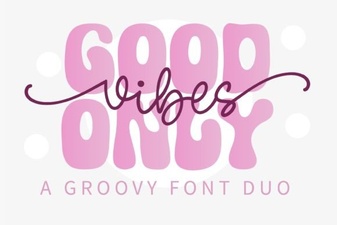 Good Vibes Only Font Duo for Creative Projects
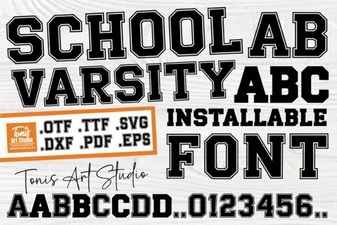 Design Your Team Spirit with a Varsity Font
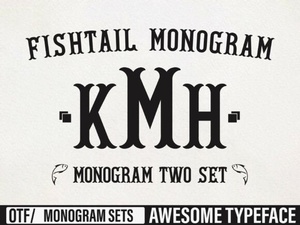 Fishtail Monogram Fonts for Creative Projects
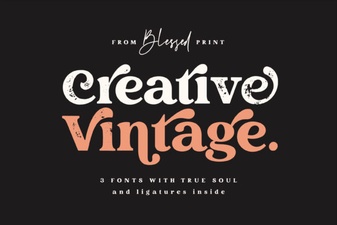 Selecting a Creative Vintage Font for Your Design Projects
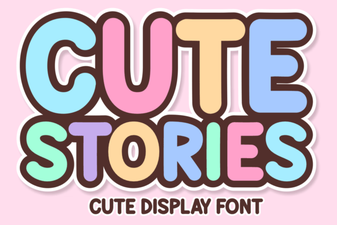 Adopt Cute Stories Fonts for Your Creative Projects
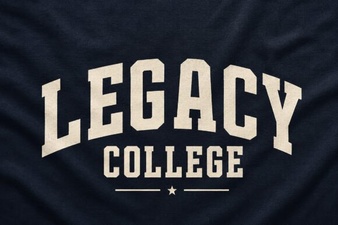 Crafting a Modern Design with Legacy College Font