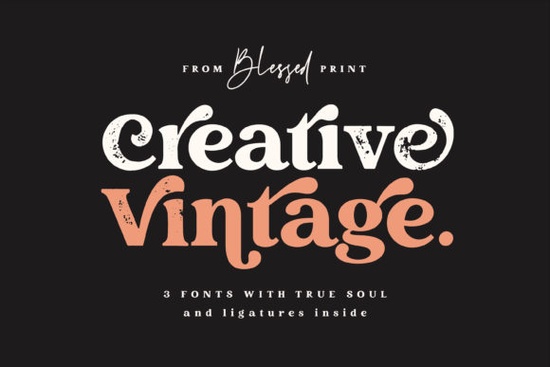
Finding the right typography for retro-themed projects often means choosing between a heavy display lettering or a flowing handwritten style. The Creative Vintage Font solves this by offering both in a single package. This incredibly unique duo includes a bold display typeface and a matching script, giving designers, crafters, and print-on-demand sellers the flexibility to mix and match without losing visual consistency. It is an incredibly versatile and adaptable style that you can add confidently to your toolkit, knowing you will love the outcome.
How does the display and script pairing work in real projects?
When you are designing physical merchandise like t-shirts, ceramic mugs, or canvas tote bags, having a matched set saves a lot of time and ensures brand cohesion. The display lettering provides a strong, eye-catching headline that grabs attention from across a room. Meanwhile, the script adds a personal, handcrafted touch to subtitles, signatures, or secondary details. If you want to see exactly how these two styles interact on screen, you can explore the full Creative Vintage display fonts page to view the complete character sets, alternates, and ligatures. This adaptability makes it highly practical for small businesses creating brand identities that need to feel both established and approachable.
What if I need a different mood for my retro designs?
While this specific duo leans into a bold, classic aesthetic, your specific project might require a slightly different emotional tone to connect with your target audience. For instance, if you are designing wellness products, yoga apparel, or casual lifestyle items, a more relaxed good vibes only duo font might better capture that laid-back, positive feeling. On the other hand, if you are working on collegiate merchandise, high school spirit wear, or sports team logos, switching to a traditional school varsity font will give you that authentic, nostalgic athletic look. Knowing when to swap styles based on the customer's expectation is a crucial skill for any successful seller.
Where else can I apply these versatile letterforms?
Beyond standard print-on-demand items, these letterforms work beautifully in digital spaces and marketing materials. You can use the heavy display style for YouTube thumbnails, podcast cover art, or website headers where legibility at a small size is critical. The script is perfect for Instagram quote graphics, wedding invitations, or elegant packaging details. If your project shifts away from retro and moves into sci-fi or fantasy themes, you might want to pivot to a nebulan star typeface font for a cosmic, otherworldly feel. Similarly, if you are targeting a younger audience with gaming, arcade, or kids' party themes, a mario font will instantly communicate that playful, familiar energy.
How do I pair the bold and script styles without cluttering the design?
The key to using a duo effectively is establishing a clear visual hierarchy. Let the bold display take up the most visual weight, and use the script sparingly for accents. Overusing the script can make a design look messy and hard to read.
- Keep it readable: Avoid using the script for long paragraphs, body text, or very small print sizes where the thin strokes disappear.
- Use color strategically: Apply a single accent color to the script to make it pop against the heavy display lettering, or use a monochromatic palette for a sleek, modern look.
- Balance the spacing: Give the bold letters enough breathing room and tracking so the intricate script details do not get visually crowded.
- Mind the baseline: Ensure the script aligns properly with the display text so the overall composition feels grounded and intentional.
What are the final steps before sending my design to print?
Quick typography checklist for your next retro project:
- Define the core emotion of your design and verify the chosen typeface matches that feeling.
- Test the display and script together at the actual physical size they will be printed or the exact pixel size for digital use.
- Check the contrast between the heavy and light strokes to ensure readability from a distance or on mobile screens.
- Convert your text to outlines or paths in your design software to prevent any font rendering issues at the print shop.
- Save your favorite color pairings and layout setups as templates to speed up future design sessions.
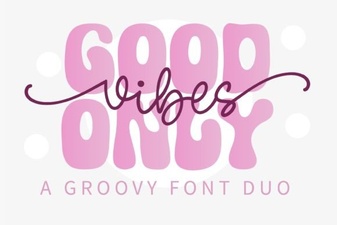 Good Vibes Only Font Duo for Creative Projects
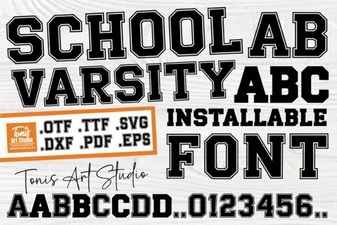 Design Your Team Spirit with a Varsity Font
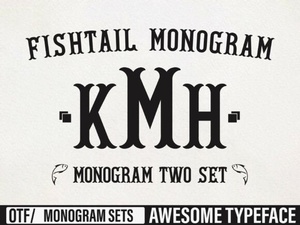 Fishtail Monogram Fonts for Creative Projects
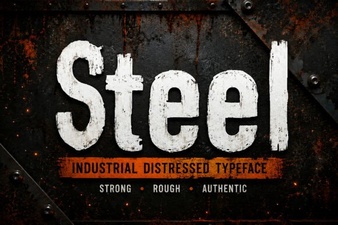 Designing with Modern Steel Fonts for Impact
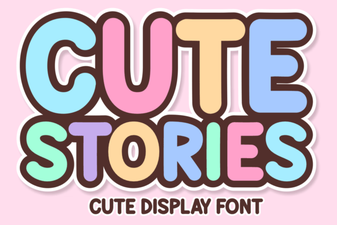 Adopt Cute Stories Fonts for Your Creative Projects
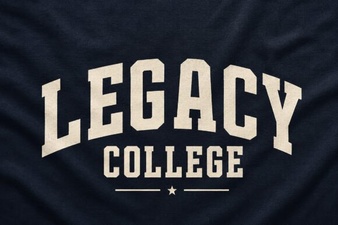 Crafting a Modern Design with Legacy College Font