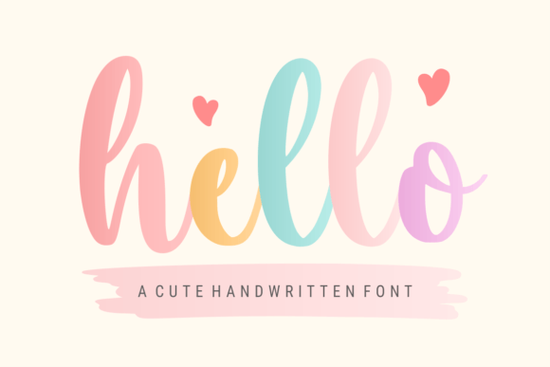
If you are looking for a versatile handwritten style that feels personal but remains highly legible, the Hello Font is a fantastic choice for your next project. This delicate and stylish script works beautifully across a wide spectrum of applications, from everyday greeting cards to elegant wedding themes. Whether you are designing for print-on-demand, creating digital stickers, or just adding a stylish overlay to your photos, this typeface gives your work a warm, approachable feel without sacrificing readability.
What makes this handwritten style stand out from others?
Many script typefaces lean too far into messy territory or become overly formal and stiff. This specific design strikes a careful balance. The delicate strokes give it a cute, friendly vibe, while the stylish connections keep it looking professional and polished. It is highly readable, which is crucial when you are designing text-heavy items like inspirational quotes or detailed birthday messages. For small business owners, this means your customers can actually read your product descriptions and branding without straining their eyes.
How can I use it for my craft or business projects?
The versatility of this typeface means it fits into almost any creative niche. For paper crafters and stationery sellers, it is perfect for greeting cards and birthday invitations. The friendly tone of the letterforms makes people feel welcomed and valued.
If you are putting together a bridal suite and need a matching signature style for the envelopes, you might also want to check out The Wedding Signature to see how it pairs with other elegant scripts for a cohesive look.
When designing seasonal items, like Christmas tags or holiday overlays, having a reliable everyday script is essential. You can easily mix it with bolder, more decorative styles, like the California typeface, to create visual contrast on your merchandise and keep your shop looking fresh.
Digital creators making stickers or social media overlays will appreciate how well it scales down for small items. If you need more variety in your digital asset library, exploring a mega notebook handwriting bundle can give you multiple casual styles to rotate through your daily designs.
What are the best pairing options for this delicate script?
Pairing fonts can be tricky, especially when your main typeface has so much personality. When pairing a delicate script, you usually want a clean sans-serif for body text, or a contrasting bold script for headlines. For romantic projects, combining it with a softer duo like OurStory can create a beautiful, unified aesthetic for wedding menus or anniversary cards.
If you prefer a more relaxed, everyday aesthetic, pairing it with a natural, slightly textured script like Willow works wonderfully for lifestyle branding, casual quotes, or handmade product labels. The key is to let the primary script shine by keeping the secondary font simple and understated.
How do I ensure the best results when printing or exporting?
When using delicate scripts for physical products, the weight of the letters matters immensely. Because the strokes are fine, ensure your print settings are optimized so the lines do not disappear on textured paper. For print-on-demand sellers, always order a physical proof before launching a new design to check how the fine details hold up on different materials like canvas, mugs, or matte stickers. For digital products, keep the background simple so the stylish connections remain the focal point.
Quick Design Checklist
Before you finalize your next design and send it to print or publish it online, run through this practical checklist:
- Check readability: Zoom out to 50% on your screen to ensure the delicate strokes are still legible from a distance.
- Test the pairing: Make sure your secondary font does not compete with the stylish connections of your main script.
- Verify print weight: If printing on matte or textured cardstock, slightly increase the stroke weight in your design software if the font file allows it.
- Leave breathing room: Give the letters enough negative space so the cute, overlapping details do not turn into ink blobs when printed.
- Check kerning: Manually adjust the spacing between capital letters, as script typefaces sometimes need a little extra room at the beginning of words.
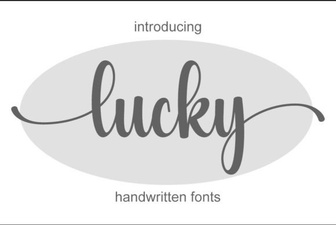 Find the Perfect Font for Your Lucky Project
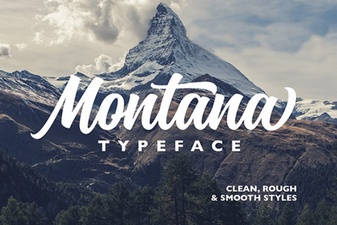 The Montana Font: Creative Uses for Your Design Projects
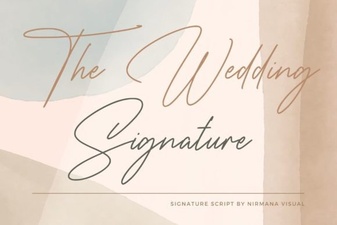 The Signature Font for Your Wedding Design
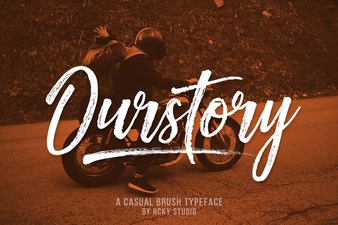 Ourstory Duo: a Creative Font Pair for Your Projects
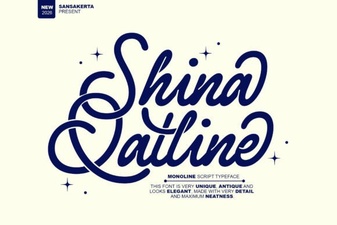 Shina Qatline Font for Modern Typography Projects
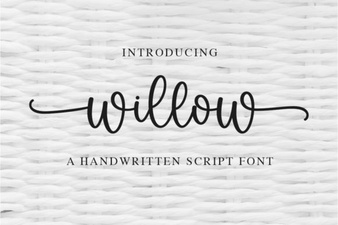 Willow Font: an Elegant, Modern Typography Choice